
Self-managing landlords face the dual challenge of protecting valuable real estate assets while maintaining positive relationships with tenants. A well-crafted lease agreement forms the operational backbone of your rental business, setting clear boundaries and protecting both parties throughout the tenancy.
Skipping key clauses or using outdated templates can lead to misunderstandings, unpaid rent, or avoidable legal disputes. Following a structured lease checklist helps ensure every critical detail is addressed before handing over the keys.
Every tenancy agreement must accurately identify all parties involved. Ensure full legal names, current contact information, and official notices addresses are clearly documented for both landlord and tenants.
Specify every occupant permitted to live in the rental property, including dependents. Restricting unapproved long-term guests helps maintain control over occupancy levels and utility consumption.
Financial clarity prevents mid-lease disputes. Your agreement should explicitly state the exact rental amount, the exact due date, acceptable payment methods, and any grace periods allowed by local rules.
Document consequences for late payments, returned funds, or electronic transfer failures. Keep in mind that fee caps and grace periods vary significantly by state and local jurisdiction.
Handling security deposits properly reduces compliance risks and minimizes end-of-lease friction. Record the exact deposit amount collected, where the funds will be held, and conditions for potential deductions.
State landlord disclosure obligations clearly. Local regulations frequently govern maximum deposit caps, separate interest-bearing accounts, and strict return deadlines after move-out.
Unclear repair duties often result in neglected property upkeep. Clearly divide routine tenant tasks—like changing HVAC filters and keeping trash cleared—from major structural maintenance handled by the owner.
Detail urgent repair protocols and how emergency maintenance requests must be submitted to avoid compounding property damage.
Protect your building quiet hours and safety by embedding explicit house rules into the agreement. State clearly whether smoking, pets, or short-term vacation rentals are permitted.
If pets are allowed, incorporate a detailed pet addendum specifying breeds, weight limits, deposit requirements, and tenant responsibility for any pet-related property damage.
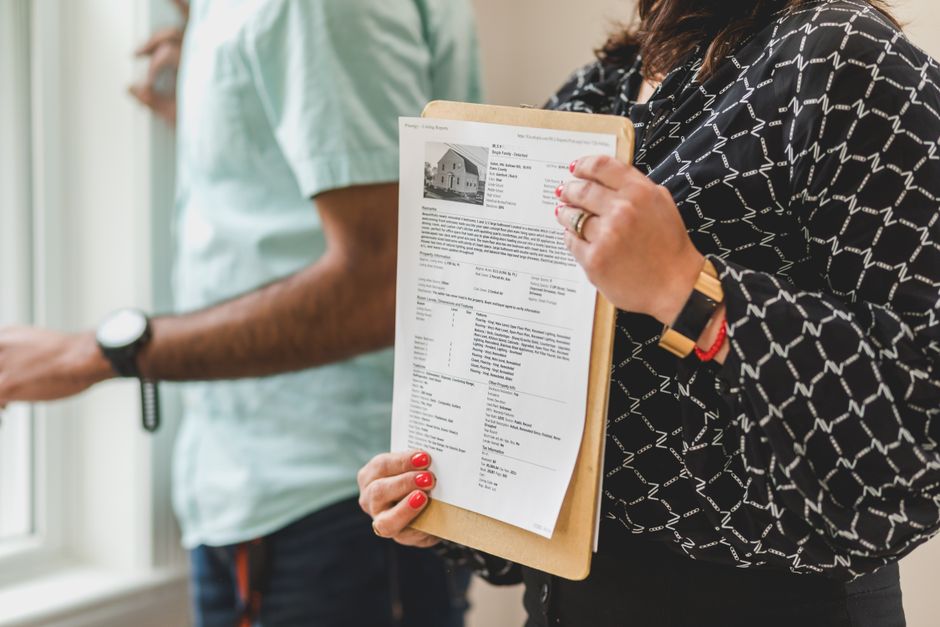
A written condition report completed at move-in protects both landlord and tenant when calculating deposit returns. Conduct a walkthrough together and record existing flaws, scuffs, or appliance issues.
Attach photo or video documentation to the inspection form signed by all adult tenants prior to occupancy.
Federal, state, and municipal regulations require specific legal disclosures in lease packages. Common examples include lead-based paint notifications, bed bug disclosures, and flood zone notices.
Because landlord-tenant legislation changes frequently, review local notice requirements and rent control statutes regularly or consult a qualified legal professional.
A thorough, well-organized lease checklist empowers self-managing landlords to operate efficiently, reduce liability, and build respectful relationships with tenants. Taking time to establish clear rules, payment structures, and condition records before move-in pays off throughout the entire tenancy.
Remember that rental laws and notice rules vary across different regions and update frequently. Always verify your checklist against your regional regulations or consult local legal resources to keep your leasing process compliant and secure.
Published on 8 November, 2026 by CyberLoft