
Conducting regular rental property inspections is one of the most effective ways for independent landlords to safeguard their real estate investments. Beyond merely checking for lease compliance, routine walkthroughs give you a chance to identify subtle maintenance problems—like minor plumbing leaks or failing seals—before they evolve into expensive emergency repairs.
However, balancing property oversight with tenant privacy requires a clear, professional approach. By standardizing your routine inspection process, providing adequate advance notice, and keeping thorough documentation, you can build trust with tenants while preserving the long-term value of your property.
Before scheduling any walkthrough, check your state and municipal landlord-tenant regulations. Most jurisdictions mandate providing written notice—typically 24 to 48 hours in advance—before entering an occupied rental home.
Always respect your tenant's right to quiet enjoyment of the residence. Confirming entry times in writing, offering flexible scheduling windows, and clearly stating the purpose of the visit help set a cooperative tone.
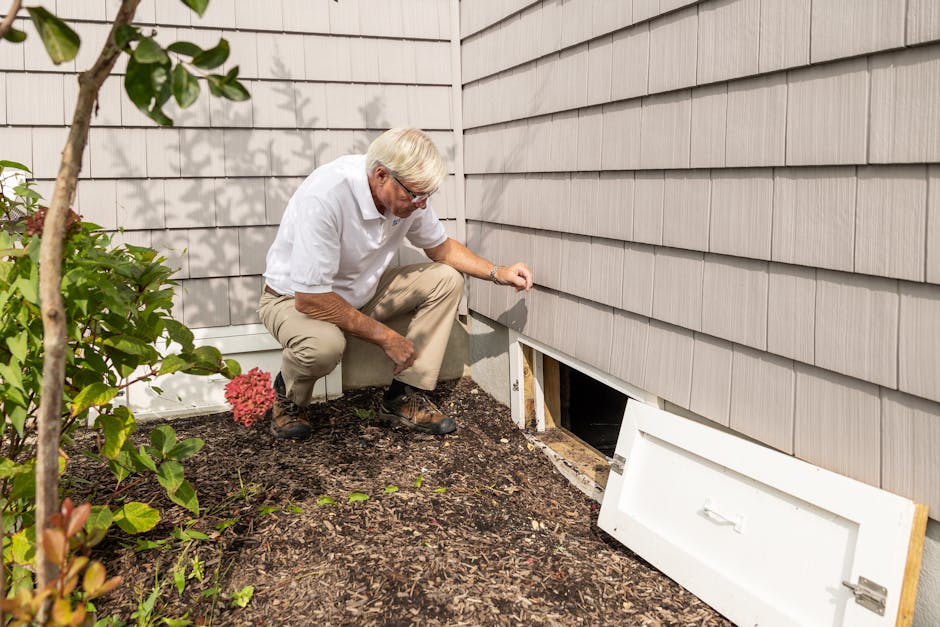
Start your inspection on the exterior of the building. External maintenance issues often go unnoticed by occupants but can cause severe structural damage if neglected over time.
Walk around the foundation, inspect the roof and gutters from ground level, and look for overhanging tree branches or drainage bottlenecks near structural walls.
Indoor safety checks are essential items on every property manager's checklist. Testing safety hardware during every visit reduces liability and ensures compliance with housing safety standards.
Test smoke detectors and carbon monoxide alarms, replacing batteries as needed. Verify that window locks function properly, secondary emergency exits remain clear, and fire extinguishers are fully charged.
Unchecked water leaks represent one of the largest financial risks to residential rental properties. Pay close attention to high-moisture zones such as kitchens, bathrooms, and laundry areas.
Inspect under sinks for damp cabinets, examine around toilet bases for movement or seepage, and check water supply lines connected to washing machines and water heaters for signs of wear.
Proper HVAC care keeps utility performance reasonable and extends costly equipment lifespan. Regular inspections allow you to replace air filters and verify overall system efficiency before extreme seasonal weather sets in.
Remind tenants about filter maintenance routines, check intake vents for dust accumulation, and inspect air conditioner condensation drain lines for potential blockages.
Rental appliances receive heavy daily wear. Checking landlord-provided appliances ensures they remain safe, energy-efficient, and fully functional throughout the lease term.
Ensure refrigerators cool properly, door gaskets seal tight, and stove burners operate safely. Check visible electrical outlets for heat damage or loose faceplates, particularly near water sources where GFCI outlets are standard.
Thorough record keeping transforms a simple walkthrough into clear administrative protection. Always document the property condition with written notes and date-stamped photos during your inspection.
Share a practical summary report with your tenant following the visit. Acknowledge items in good order, outline any scheduled repairs, and gently address any lease non-compliance items observed during entry.
Routine rental inspections are essential for preserving property condition and building constructive relationships with tenants. When approached systematically, these walkthroughs prevent minor maintenance concerns from spiraling into emergency repairs, ultimately protecting your rental property's income and long-term value.
Because local laws govern entry notice and inspection parameters, always tailor your procedures to match your specific jurisdiction. By keeping clear digital records, communicating openly, and respecting tenant rights, DIY landlords can successfully maintain their rental properties year after year.
Published on 11 October, 2026 by CyberLoft